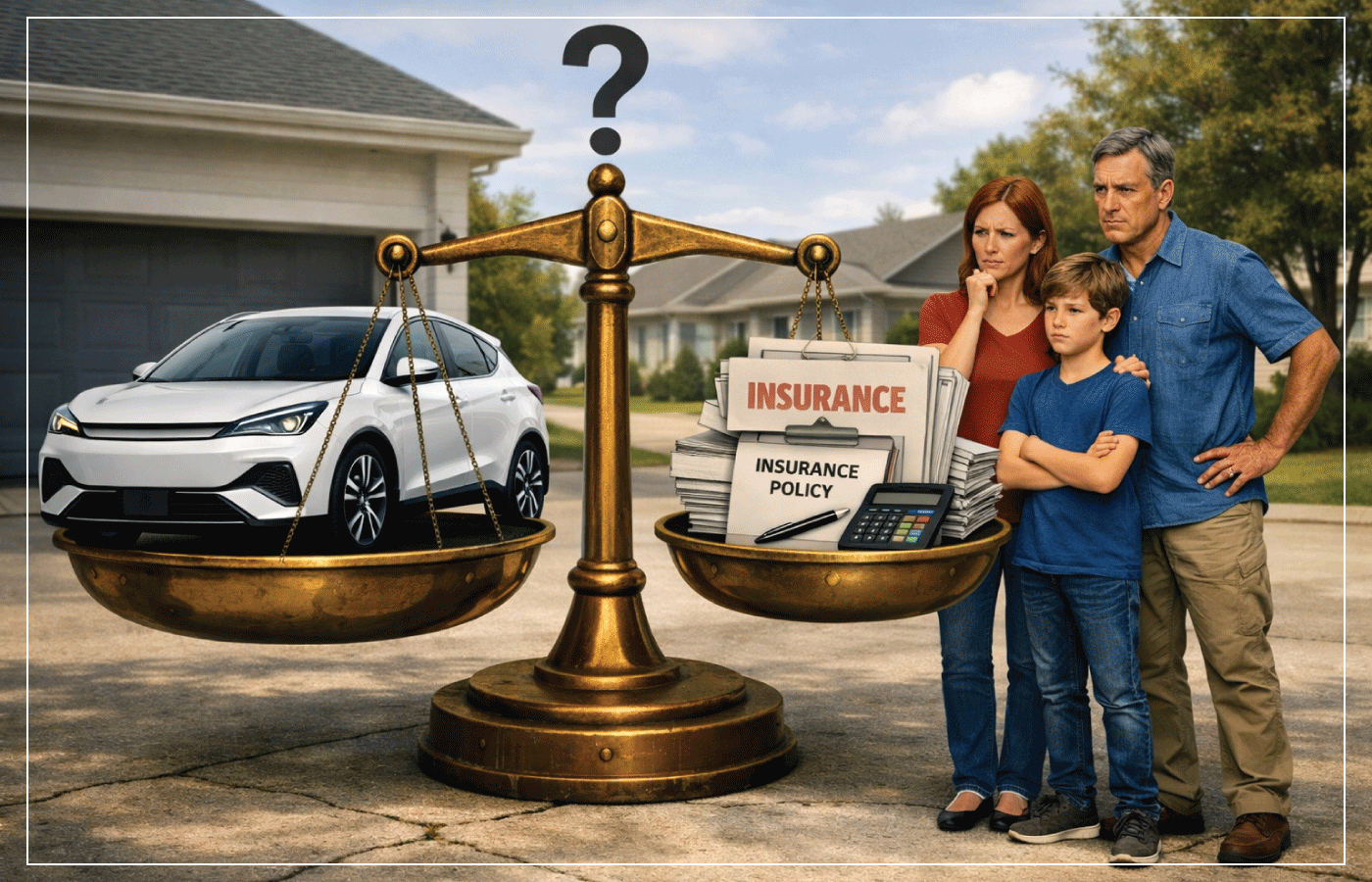
When the Car Is Financed—but the Insurance Is Not
A customer’s dilemma!
By Jumar Preena
The arrival of brand-new vehicles, electric vehicles and technologically advanced models is changing Sri Lanka’s motor car market.
Consumers now have access to vehicles equipped with sophisticated safety systems, digital technology, high-value batteries, sensors, cameras and specialised components. However, the purchase price of many of these vehicles is substantial— and so is the cost of protecting them.
A vehicle may be purchased through a lease extending over several years. The buyer is therefore able to distribute the cost of the vehicle through monthly instalments over a three- to five-year repayment period.
The annual comprehensive insurance premium—typically required when the vehicle is financed—can arrive as a separate and significant financial obligation.
Consider a brand-new SUV currently priced at Rs.32.9 million. The verified annual comprehensive insurance premium for this vehicle is Rs.415,700
The vehicle itself may be purchased through a lease extending over several years, allowing the owner to spread the purchase price across monthly instalments. The insurance premium, however, remains a substantial annual obligation that may have to be settled separately and within a much shorter payment period.
In addition to lease rentals, the owner must meet fuel or charging costs, maintenance, licensing, tyres and other vehicle-related expenses. An annual insurance payment exceeding Rs.400,000 therefore represents a significant financial commitment for any household.
The customer must also insure the vehicle at its proper value. Undervaluing a high-cost vehicle simply to reduce the premium could leave the owner financially exposed in the event of a serious accident, theft or total loss.
This raises a fair consumer question:
After paying Rs.415,700 for one year of protection, what additional value will the customer and the family receive during a claim-free year?
What does the customer receive during a claim-free year?
Insurance exists to protect the vehicle owner against the unexpected. Its primary purpose is to provide financial protection following accidents, damage, theft and other covered losses.
That essential purpose should never be diminished.
However, when a customer pays several hundred thousand rupees annually—and completes the year without making a claim—should the relationship end there?
The insurer has accepted the premium and provided protection. The customer has driven responsibly, maintained the policy and, in many cases, renewed the relationship year after year.
There is now an opportunity for the insurance industry to recognise that customer in a more practical way.
Not by returning the premium.
Not by weakening the insurance cover.
But by extending meaningful value throughout the year.
Reward the customer through everyday life
A well-structured customer rewards and privilege programme can provide policyholders and their families with savings on expenses they regularly incur.
These could include:
• Tyres, batteries and vehicle maintenance.
• Motor accessories and related services.
• Healthcare and wellness.
• Clothing and footwear.
• Restaurants and cafés.
• Household essentials.
• Electronics and home appliances.
• Hotels, travel and leisure.
• Cashback and special seasonal offers.
For a customer facing a substantial annual insurance payment, these benefits can help these benefits can help recover practical value across the policy period.
A saving on a set of tyres, a vehicle service, a hospital bill, family clothing or a household appliance may not replace the insurance premium—but collectively, such benefits can make the insurance relationship feel far more worthwhile.
The benefits should also extend to the policyholder’s family. After all, the insurance premium is ultimately paid from the household budget.
Protection should not be the only visible benefit
The customer should not have to experience an accident to appreciate the value of the insurer.
When something goes wrong, the policy must provide dependable protection.
When everything goes right, the relationship should still provide recognition and value.
This is particularly relevant as vehicle values increase and annual premiums become more substantial. The higher the financial commitment expected from the customer, the stronger the case for creating a continuing relationship beyond policy issuance and claims settlement.
CH17 Loyalty has pioneered insurance-linked customer benefit programmes designed to provide year-round lifestyle privileges and household savings opportunities.
The broader opportunity is for the motor insurance industry to adopt this as a customer-value standard rather than treating rewards as an occasional promotion.
The question is no longer only:
“How much will the insurer pay if I meet with an accident?”
The customer should also ask:
“After paying a substantial annual premium, what value will my family and I receive during the rest of the year?”
A vehicle may be financed over several years.
The insurance premium may still arrive every year as a major payment.
The least the modern customer should receive is excellent protection when needed—and meaningful everyday value throughout the policy period.
Protection when something goes wrong.
Rewards when everything goes right.
About the author
Jumar Preena is the Founder and CEO of CH17 Loyalty,
a specialist in corporate loyalty, rewards and customer
engagement programs, including insurance-linked lifestyle
benefit solutions
News feed https://sundaytimes.lk/online/business/When-the-car-is-financedbut-the-Insurance-is-not/10-1152091