INSURANCE Cannot Grow on Claims Alone
INSURANCE Cannot Grow on Claims Alone
By Jumar Preena
- The Next Phase of Insurance Growth Will Be Driven Outside the Claims Cycle? – heres why
Winning mass-market confidence and improving penetration requires everyday engagement, not just efficient payouts.
For decades, insurance has remained one of the most essential yet least emotionally connected financial products in the mass market. Despite regulatory mandates, improving claims efficiency, and increasing digitisation, penetration particularly among first-time buyers and emerging income segments continues to fall short of its true potential.
The reason is not awareness alone. It is relevance.
Insurance, by nature, is a low-frequency product. A policy is purchased, filed away, occasionally produced for compliance, renewed annually, and ideally never claimed. In the lived experience of the consumer, insurance is important, but distant. Necessary, but rarely engaging.
This structural reality has quietly limited the industry’s ability to scale.
Claims Efficiency Is Necessary – But Not Sufficient
Over the years, insurers have invested heavily in improving claims settlement, digitising processes, and enhancing operational efficiency. These efforts are essential and commendable. However, they address performance after purchase, not motivation before purchase.
Claims alone do not attract the wider consumer.
For the mass market – especially younger, informed, and value-conscious customers – the promise of a future claim is not enough to build confidence, loyalty, or emotional connection. The industry must therefore confront an uncomfortable truth.
The industry must rethink its approach and redefine its strategy. Conventional insurance models no longer resonate with the informed and discerning consumer.
The Engagement Gap
Most successful consumer industries grow through frequent interaction. Banking apps are used daily. Digital wallets are checked repeatedly. Retail and lifestyle brands thrive on constant visibility and tangible benefits.
Insurance does not enjoy this advantage. Its engagement cycle is annual at best, and often reactive. This results in:
- Low brand recall between renewals
- Price-led switching
- Weak emotional attachment
- Overdependence on intermediaries
- Limited success in penetrating younger and informal segments
Digitisation alone does not solve this challenge. Faster systems still operate within the same low-engagement framework.
From Protection to Participation
A more structural shift is now emerging one that reframes insurance not as a stand-alone obligation, but as part of a broader everyday value ecosystem.
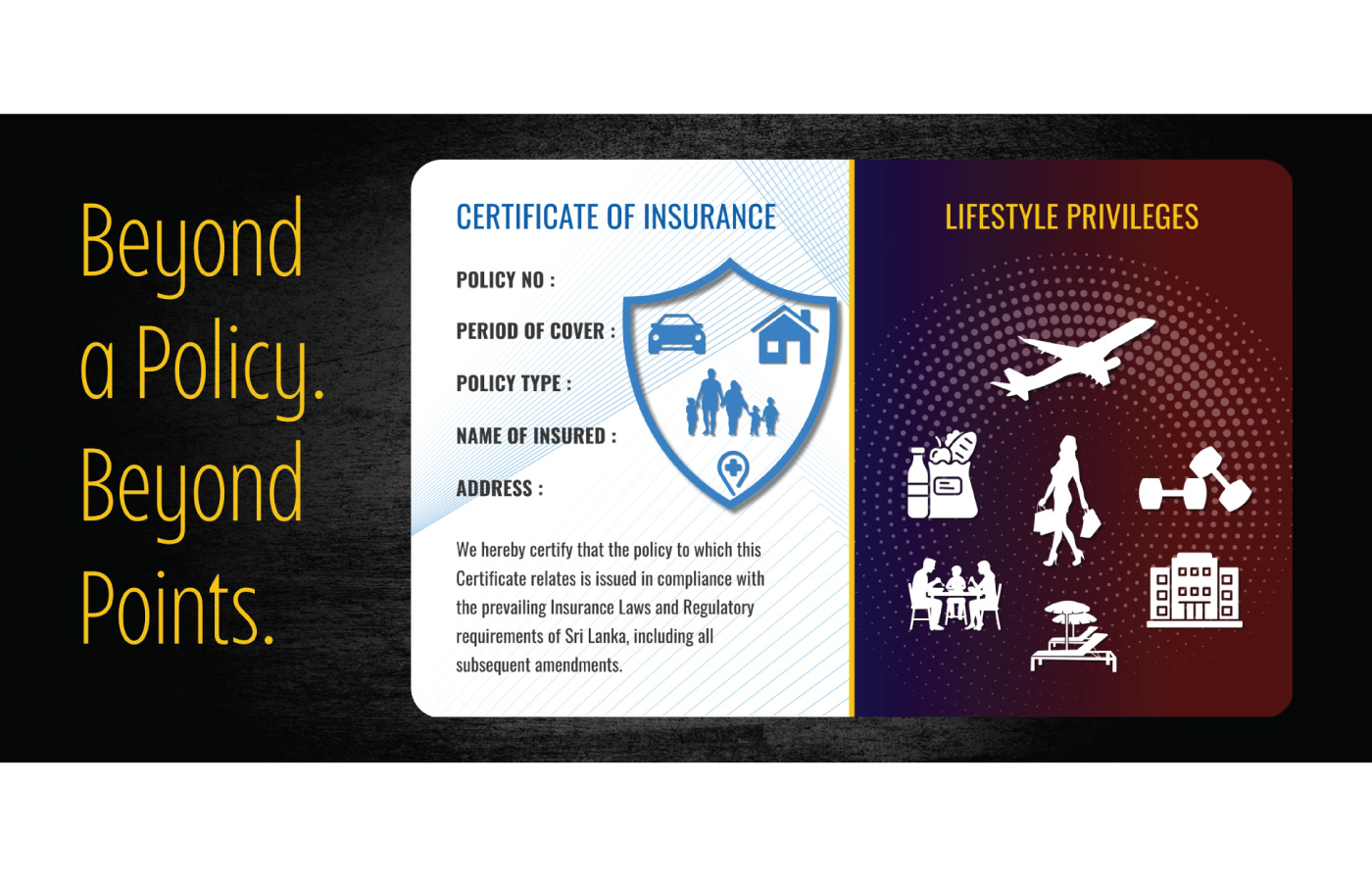
In this model, insurance remains the protection layer compliant, regulated, and actuarially sound. Alongside it sits an engagement layer that delivers frequent, tangible lifestyle benefits through dining, retail, travel, supermarkets, and essential services.
The consumer may need insurance only occasionally but they engage with its benefits regularly. This changes behaviour.
Why This Matters for Penetration
When insurance is bundled with visible, everyday value:
- Perceived worth increases before purchase
- Engagement shifts from annual to weekly or daily
- Trust is built through familiarity, not just promises
- Retention improves without reducing premiums
Most importantly, insurance stops feeling like a grudge purchase and starts feeling like a practical, usable proposition.
This shift is particularly powerful for first-time buyers, gig workers, micro-entrepreneurs, and younger professionals segments that have traditionally remained underinsured despite awareness campaigns.
Rethinking Distribution
Lifestyle-linked engagement also reshapes how insurance reaches the mass market.
Rather than waiting for customers to approach agents or branches, insurance can be introduced where people already transact:
- Supermarkets
- Retail chains
- Fuel stations
- Travel desks
- Digital platforms and QR-led onboarding points
Insurance moves closer to daily life, increasing accessibility without compromising regulatory discipline.
The Strategic Outcome
For insurers, the benefits are clear:
- Improved penetration without price wars
- Stronger customer confidence
- Higher lifetime value
- Reduced churn
Better segmentation using demographic and firmographic insights
All achieved through compliant digital platforms that complement, rather than replace, core insurance systems.
The Way Forward
Insurance grows when it stops waiting to be needed and starts being experienced.
Claims will always matter—but they are not the growth engine of the future. Confidence, relevance, and everyday engagement are.
As the industry looks ahead, the question is no longer how efficiently claims are paid, but how meaningfully insurance fits into the daily lives of the people it seeks to protect.
That shift—from protection alone to participation—is where the next phase of insurance growth will be found.